Winter & Skiing
Skiing and Snowboarding at Sugar Mountain: Rentals, Lessons, and Getting to the Slopes
How the house sits relative to the resort, what a ski morning actually involves, where the rentals are, and which lesson programme fits which age, including the gap that catches families with a child under eight.
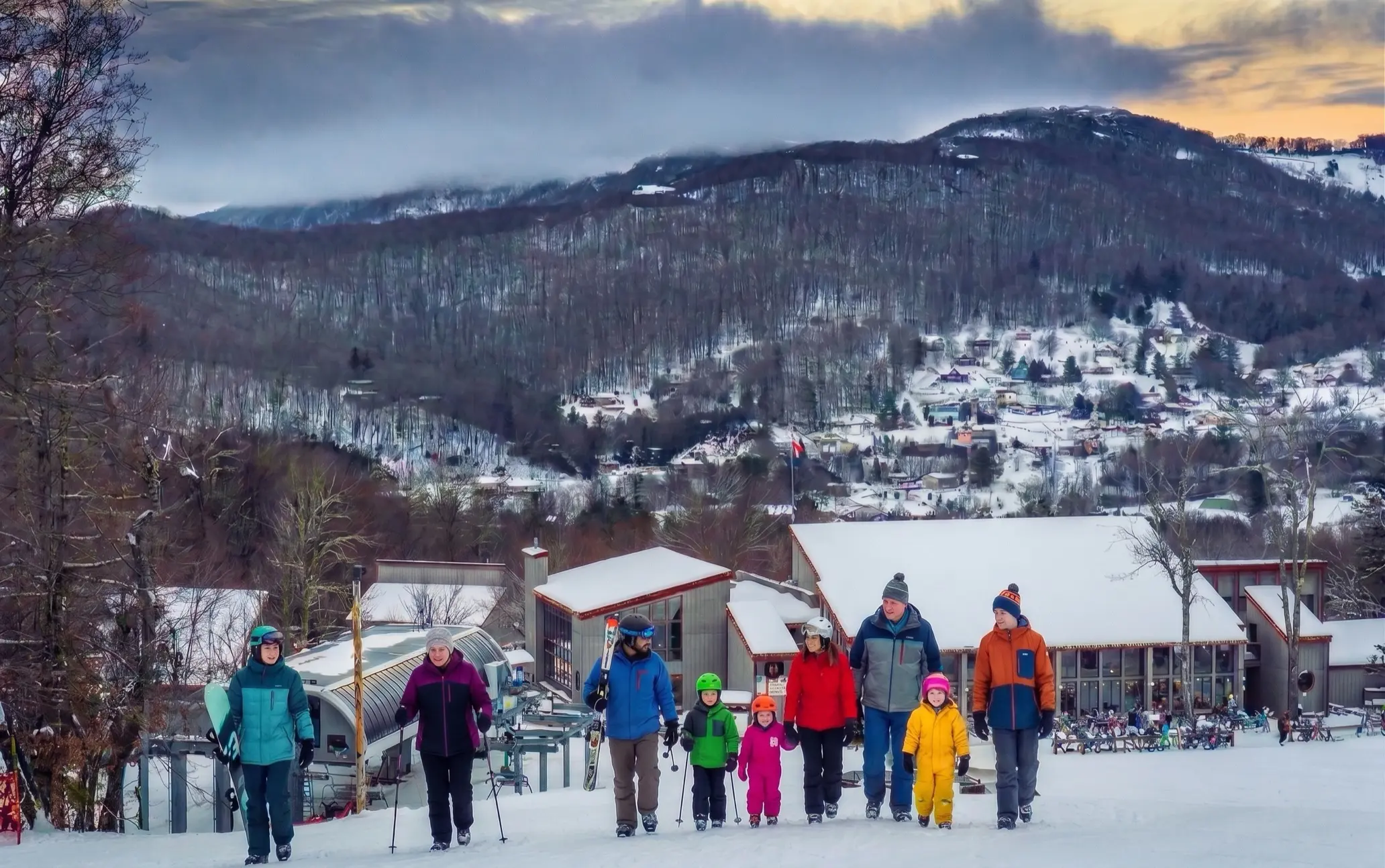
Sugar Mountain Resort is the reason a great many guests book this house in winter, and most of the questions that arrive before a ski trip are practical rather than romantic: how far is it, what does the first morning actually involve, and which lesson will take a six-year-old.
This article answers those. It is researched rather than lived: the owners have not skied at this resort. Everything below is therefore attributed, and anything that moves with the season is linked to the resort rather than reproduced here.
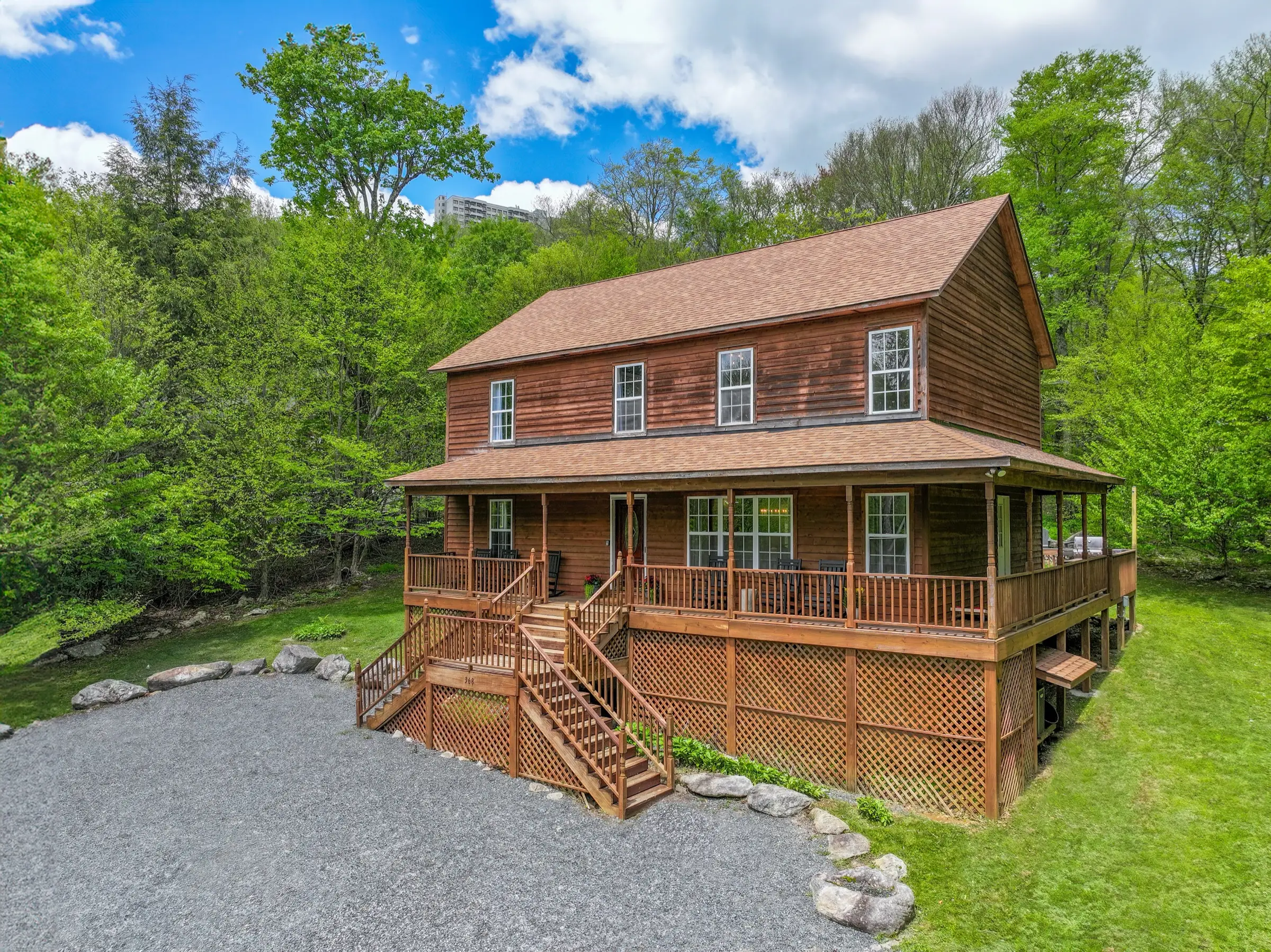
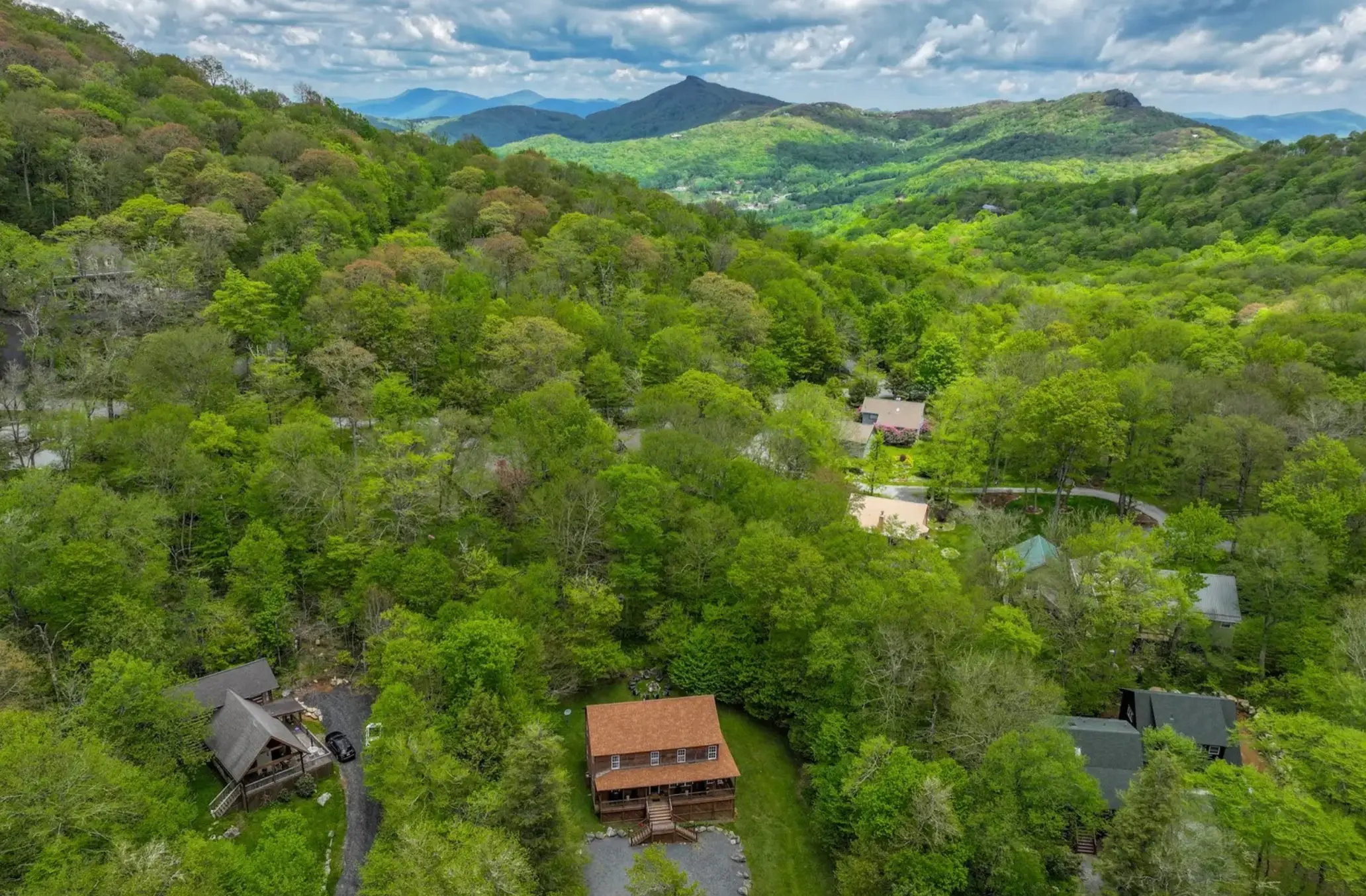
The house is near the mountain, not on it
The house is approximately 2.8 miles from Sugar Mountain Resort, an 8–9 minute drive under normal conditions. That is the single most asked question, so it belongs at the top rather than three sections down.
It is not ski-in/ski-out, and it is not beside a lift. This is worth stating plainly because guests do ask directly whether the house sits above the resort lodge by a lift, and it does not. There is no run to the door and no lift within walking distance. Every ski day begins with getting into a vehicle, or with the village shuttle.
That is not a drawback so much as a different shape of trip. Eight or nine minutes is a short commute by the standards of most mountain lodging, and it buys a house with room for a large group rather than a room at the base.
Getting to the slopes on a ski day
The drive is short. What is not short is the first morning.
Driving is not the only option. There is a winter shuttle serving the mountain, and its nearest stop to the house is approximately 0.3 miles away, at Misty Woods / Grouse Moor Drive. Two qualifications matter before anyone builds a day around it: it is a stop rather than a door-to-door pickup, and the service is seasonal rather than daily or year-round.
How that shuttle works, how it differs from the resort’s own arrangements at the mountain, and what the climb asks of a vehicle when the weather turns are all covered properly in the winter driving guide. Read that one before a winter trip. For a ski trip it is the more important of the two articles, and this one assumes it.
The reason to leave early on day one is not traffic. It is that a first-timer’s morning has a queue in it before any skiing happens, and the order of operations matters.
Rentals: go there first, and buy the lift ticket while you are there
Equipment rental at the resort’s main Lodge covers the full kit: skis, snowboards, boots, helmets, poles, jackets and bibs. Outerwear included is worth knowing if you are flying in, or if one member of the group has decided at short notice to join.
The practical sequencing, and this is the resort village’s own advice:
Go to Rentals first, and buy your lift ticket there. Doing it in that order means one queue rather than two, and the ticket is handled at the point where you are already stopped.
There are also additional rent-and-buy options near the Sugar Mountain entrance, so the main Lodge is not the only place to get equipped. If your group is large, or if someone needs boots fitted properly rather than quickly, having a second option on the way up is useful.
None of this is fast the first time. Sizing boots for a family, fitting helmets, and adjusting bindings takes as long as it takes, and it happens before anyone reaches a slope.
Lessons, by age
The resort runs distinct programmes rather than one lesson with an age slider, and picking the right one is mostly a matter of the child’s age.
Sugar Bear Ski School teaches skiing to children ages 5–10.
Polar Bear Snowboard School teaches snowboarding to children ages 7–14.
Both programmes include the lift or slope ticket, rental equipment, helmet, the lessons themselves, and supervision. That is the part worth reading twice: the ticket and the gear are inside the programme, so a child enrolled in one does not need a separate rental trip or a separate ticket.
Lunch is included on Full Day programmes only. Half day means packing something or planning around it.
Full Day programmes are registered online, in advance, and there is no same-day registration. If a Full Day is the plan, it is not a decision that can be made over breakfast on the morning. The resort states a registration cutoff, but its own pages did not agree with each other when this was researched, so we deliberately publish no cutoff time here. Check skisugar.com directly and treat that as the only authority.
Group lessons run an hour and a half, are grouped by ability level, prioritise beginners, and are for ages 8 and up. Unlike the Full Day programmes, these are registered day-of, which makes them the flexible option, useful when the weather or the group’s enthusiasm decides the plan.
Private lessons are available for all levels and abilities, with no age floor attached.
The gap that catches families: children under eight
This is the part most worth knowing before you book, because it is easy to assume a seven-year-old can simply join a group lesson.
The ski school’s own stated position is that group lessons are not suitable for skiers or riders under eight. That is not our judgement about a child’s ability; it is the school’s own guidance, and the group programme’s age floor of eight reflects it.
For a child of seven or under, the resort points to three alternatives:
- a private lesson, which carries no age floor
- Sugar Bear Ski School, if the child is 5 or older and is skiing
- Polar Bear Snowboard School, if the child is 7 and is snowboarding
The overlap is worth reading carefully, because it is where families get caught. A seven-year-old who wants to snowboard has Polar Bear available. A seven-year-old who wants to ski has Sugar Bear available. But a seven-year-old cannot join a group lesson in either discipline, and a six-year-old snowboarder is below Polar Bear’s floor. For that child, a private lesson is the route.
Work this out before the trip rather than at the counter. Full Day programmes cannot be registered on the day, so a family that arrives planning to sort lessons out on arrival may find the option they wanted is already closed to them.
A realistic two-night plan
Two nights is a common booking, and the honest version is that it is one full ski day and one partial one.
Day one loses hours to gear. Between the drive, rentals, boot fitting, tickets and getting a group actually onto snow, a first morning is largely logistics. That is not pessimism. It is the same for everyone, and it is why the advice above is to go to Rentals first rather than to the ticket window.
So the shape that tends to work:
- Arrival day. Get the house settled and, if the timing allows, collect rental equipment. Anything sorted the day before is an hour you are not spending in a queue on a ski morning.
- Day one. The full day. Leave earlier than feels necessary. If lessons are part of the plan and a Full Day programme is wanted, that registration happened online before you left home.
- Day two. A shorter morning before checkout, or a rest day. Nobody’s legs are as fresh as they expect on the second morning.
Three nights changes the arithmetic considerably, because the gear day stops eating a proportion of the trip.
If this is a first visit to the area generally rather than to the resort specifically, the first-time visitor’s guide covers arrival, the roads, and what the drive up actually asks of you.
What we have not put in this article
No prices, no lesson times, no hours, and no registration cutoffs. Those are the fastest-moving facts the resort publishes, and a page that repeats them is wrong within a season while looking perfectly authoritative.
For any of that, and for anything about conditions on the day, skisugar.com is the source, and it is maintained in a way this page could not be.