Family Activities
Grandfather Mountain: Timed Tickets and the Drive Around
You can see Grandfather Mountain from Sugar Mountain, but the entrance to the Swinging Bridge is on the far side and entry is timed. How a group in several cars gets there, gets in together, and what a winter closure changes.
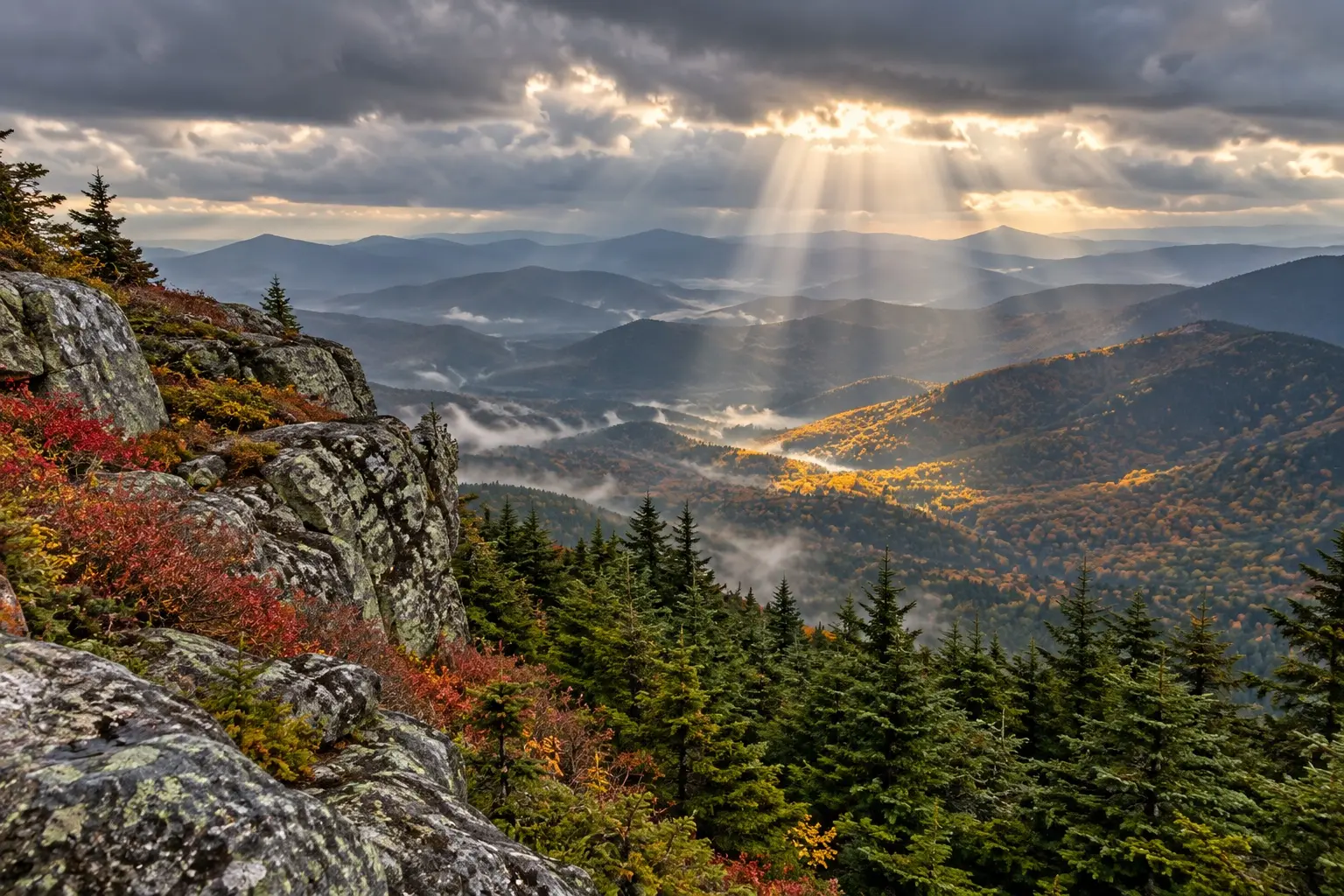
The Village of Sugar Mountain says you can see the profile of Grandfather Mountain from many of the vacation rentals here. The entrance to the attraction, the one with the Mile High Swinging Bridge, is on the far side of it.
That is the fact that catches groups out, along with a second one: entry is timed. A group of twelve in three cars has to reach the same gate, on the same side of the mountain, inside the same hour.
Two different places share the name
Grandfather Mountain the attraction is run by the Grandfather Mountain Stewardship Foundation, a nonprofit, and is separate from Grandfather Mountain State Park, whose popular trails start from separate trailheads.
The Village of Sugar Mountain is direct about the local version of this mistake: the Profile Trail trailhead near Sugar Mountain is the state park side, not the paid Swinging Bridge area. If the plan is the bridge and the animals, nobody should be navigating to a trailhead. The state park is covered in the Grandfather Mountain State Park hiking guide.
The drive around
The Village says most visitors drive around the mountain from Sugar Mountain. Its route: turn right onto NC 184, turn right on NC 105 at the stoplight, then go north on U.S. 221 at the intersection.
The entrance is at 2050 Blowing Rock Highway, Linville, on U.S. 221, two miles north of Linville and one mile south of the Blue Ridge Parkway at Milepost 305.
The Foundation warns against relying only on a navigation app in the mountains: they tend to pick the shortest mileage and can send drivers over very narrow, remote country roads. Give every driver in the group the same written route. The Village and the Foundation give slightly different mileages from Sugar Mountain, measured from different starting points, so this guide describes the route rather than a distance.
Two limits apply at the gate. No motorhomes or RVs longer than 28 feet, and no hinged vehicles. A trailer can be unhitched at the gate and the tow vehicle driven in.
Inside the gate, a winding road climbs to the summit parking, with hairpin curves on the last section; the Foundation advises low gear on the way down. For the drive from the house in the colder months, see the winter driving guide.
Tickets are timed, and the hour matters
Tickets are bought and an entry time reserved online, and the Foundation’s FAQ says advance reservations are required. According to the Foundation’s tickets page, a reservation is good for entry up to one hour after the booked slot. Once inside, you can stay as long as you like while the park is open.
For a big group, that hour is the whole plan. Meet up somewhere before the gate, not at it, so every car arrives inside the window.
The same page says the date and time of a booking can be changed up to 24 hours before the visit, using the link in the confirmation email. Inside that window, it says to call the entrance gate, 828-733-4337, about moving the tickets. Tickets are non-refundable, but the Foundation honors the ticket’s value toward a future visit. On a two or three night trip there may be no later day to move to, so check the weather and the mountain’s status before booking the whole group.
The Foundation suggests allowing 2.5 to 3 hours to see everything. Prices vary by ticket type and time of year and are on the tickets page.
Winter: when the top half closes
The attraction opens weather permitting in winter, and it can open late, close early, or close halfway. On a top-closure day the scenic drive to the top half, the Swinging Bridge, the Top Shop and access to the hiking trails all close, and tickets are sold only at the entrance gate.
The lower mountain stays open on those days: the Wilson Center, Mildred’s Grill and the wildlife habitats. For a family, a half-open day still covers the animals and the indoor exhibits.
The Foundation posts a top closure on the grandfather.com home page and updates it during the day. The entrance gate line, 828-733-4337, gives current conditions and opening status. Check both on the morning of the visit, before loading anyone into a car.
One thing the Foundation’s pages do not say: what happens to an online ticket already booked for a day when the top closes. Call the gate line and ask rather than assume.
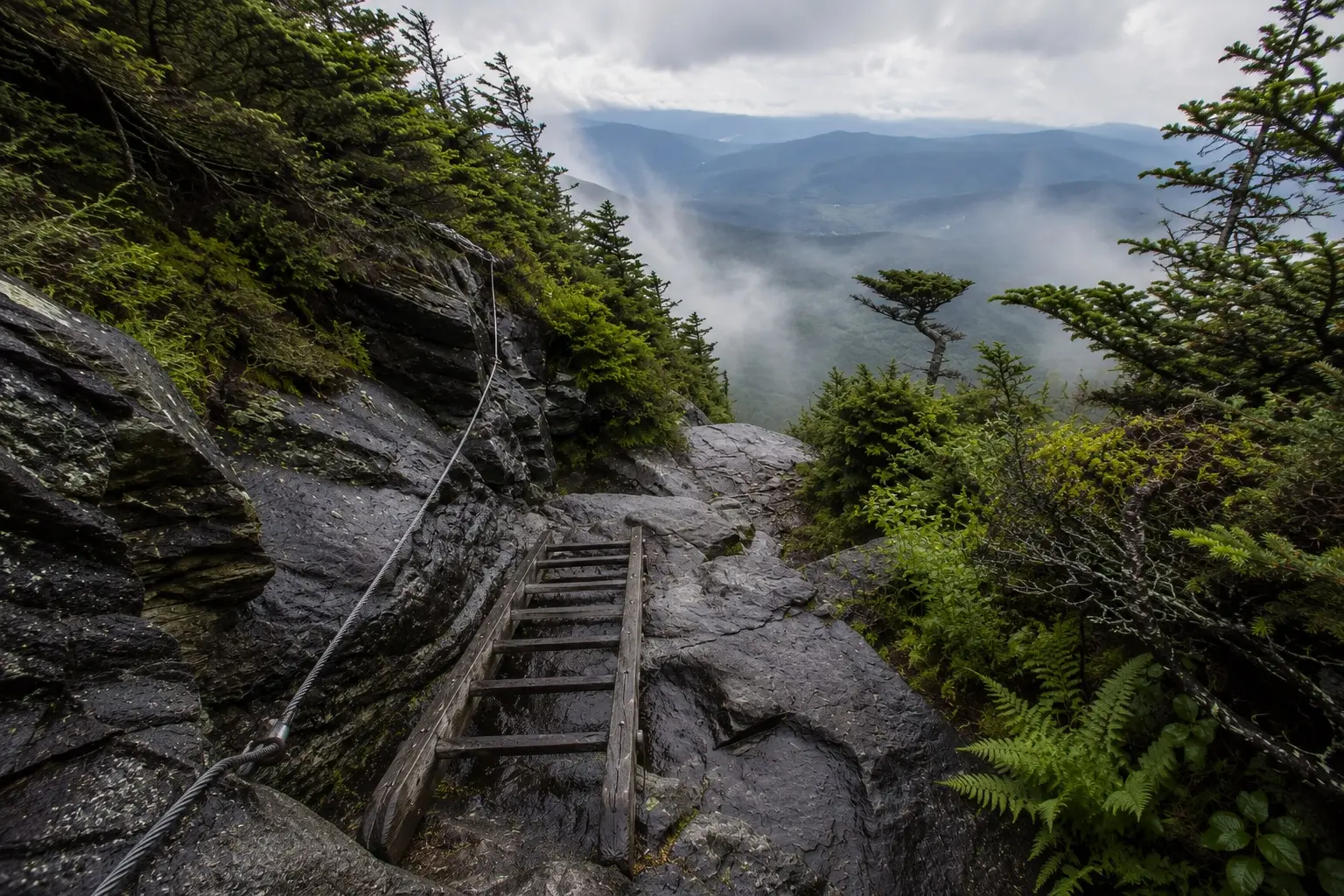
Separately, the bridge closes for lightning in the area, high wind or ice, and trail access is often closed in winter, including the Grandfather Trail, the strenuous ridge route on Grandfather Mountain. The top is noticeably colder than the gate and the towns below. The Foundation advises layers, and the Village advises a jacket even in summer.
The bridge
The Mile High Swinging Bridge is 228 feet long and spans an 80-foot chasm. The “mile high” in the name refers to its elevation above sea level. Sources give different elevation figures for different points on the mountain, so none is printed here.
From the summit parking, the bridge is reached by about 50 stairs or by the elevator inside the Top Shop, then a short path. For anyone nervous about heights, the Foundation notes that the views can be enjoyed from the ground before the bridge and from the parking area, so not everyone has to cross. The Top Shop has a gift shop, snacks, drinks and restrooms.
The lower mountain: animals and indoor exhibits
The Wilson Center for Nature Discovery, about halfway up, has indoor exhibits on natural history, plants, animals, geology and weather, and the Foundation presents it as a bad-weather option.
Next to it, the wildlife habitats hold five species: black bears, river otters, cougars, elk and bald eagles, in large enclosures separated from viewers by moats or raised walls. The otter habitat has an underwater viewing area. High Country Press notes that the bears enter torpor in winter but may roam on warmer days.
Yonni’s Clubhouse, also beside the Wilson Center, is a nature discovery space for children ages 5 to 12, with indoor exhibits, live educational animals such as snakes and tree frogs, and an outdoor discovery trail. It keeps shorter hours than the park, so check the Yonni’s Clubhouse page when planning the visit.
Food, and what not to bring
Mildred’s Grill, inside the Wilson Center, is counter service with a kids’ menu and takeout for picnickers, and it can take advance meal orders for groups. The Top Shop at the summit has snacks and drinks only.
Bringing your own food works too: there are about a dozen picnic areas across the mountain, and trash has to be packed out where there are no bear-proof bins. No alcohol is permitted on the grounds.
Dogs
Leashed pets are allowed in the park, but not inside buildings or in the animal habitats area. The Foundation also warns that the Grandfather Trail’s ladders and cables make it dangerous for dogs. A group bringing a dog needs someone to stay outside with it during the Wilson Center and the habitats.
What this guide leaves out
No prices, opening hours or holiday closure days, all of which change and are on grandfather.com. No elevation and no mileage, for the reasons above. This guide is researched from the Foundation’s and the Village’s own pages; the owners have not visited. For other ideas with children, see the family activities guide.